
Studio craft
At Horizon Studio, Dhawal Laheri Is Taking Game Characters Beyond the Screen and Into the Collectibles Market
A physical edition poses a commercial and artistic question for a digital studio: what makes a character recognisable from every side?
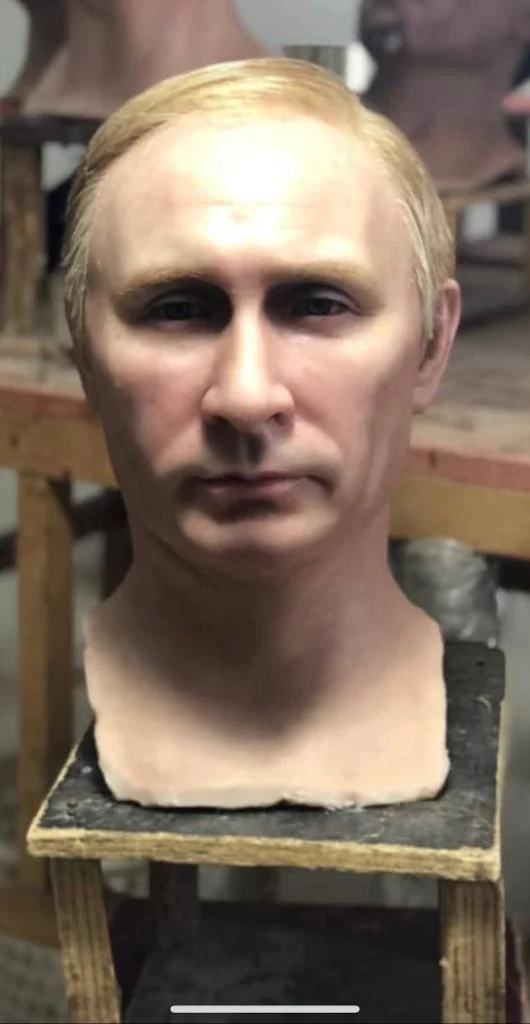
Put a game character on a collector’s desk and an unusual transfer of control takes place. The artist no longer chooses the camera angle. The owner can turn the figure around, look down on it or place it across a room. At Horizon Studio, the Dubai company founded by Dhawal Laheri, those practical differences shape the brief for figurines, character commissions and collector editions.
Material for a likeness
The studio asks commissioners for several views and an agreed expression. A dozen publicity photographs taken from the same flattering angle may tell a sculptor less than a front view, a profile and a photograph of the subject from behind. A nose can be convincing in outline while the relationship between head and shoulders gives away the likeness from another direction.
Scale brings a further decision. A fine cuff or a small change in expression may repay close attention on a desk piece. An exhibition figure seen through glass from a distance depends more heavily on its silhouette and pose. Simply enlarging the smaller object would not necessarily preserve the quality the client first admired.
A new use for an existing character
For Laheri’s studio, the commercial opportunity lies in giving creative work another market. The right to develop a game, however, does not by itself settle who may reproduce its characters as physical merchandise. Horizon’s brief distinguishes original creations from established subjects requiring authorised references. That work belongs before production: a persuasive sculpt is a poor time to discover that nobody agreed who could issue the edition.